The Role of Physical Security in Police and Custodial Buildings
29 June, 2026
Police and custodial buildings must balance public access, staff safety, secure movement and operational control. These environments often bring together front-facing public services, high-risk custody suites, staff-only corridors, and secure custody cells within the same site.
In these high-pressure settings, the challenge is not simply choosing individual products. It is understanding how each security measure supports the way the building operates. Screens, counters, doors, transfer points and entrance control products all contribute to how people move through the site, how safely staff interact with visitors, how securely detainees are processed and how restricted areas are protected.
For police stations, prisons, remand centres and wider custodial facilities, physical security is not just about preventing unauthorised access. It also supports day-to-day operations, manages risk and helps buildings function safely and efficiently.
Why Physical Security Still Matters
Security in public sector and custodial environments has become increasingly layered. Digital systems such as access control, CCTV, and biometric monitoring can help monitor access, manage permissions and provide better oversight, but physical security products still form the practical foundation of any secure facility.
A restricted area is only as effective as the door, access point or automated barrier that protects it. A public enquiry desk still needs a physical interface that allows staff to communicate safely. A transfer point still needs a secure method for passing documents, property or personal items between different areas.
Physical security products help turn security policies into practical building features. They create separation where needed, delay or restrict unauthorised movement and provide protection at the points where people interact with the building.
Managing Public Access and Restricted Areas
Police stations and custodial buildings often include spaces that must remain accessible to the public alongside areas that must remain tightly controlled. This creates a clear need for separation between public spaces, staff-only routes and restricted operational areas.
Front offices, reception areas and public enquiry desks need to remain approachable and functional under the Equality Act (DDA requirements), while still helping protect staff and control access beyond the public zone. Behind these areas, the building may include secure rooms, controlled corridors, interview suites, staff entrances and back-of-house spaces.
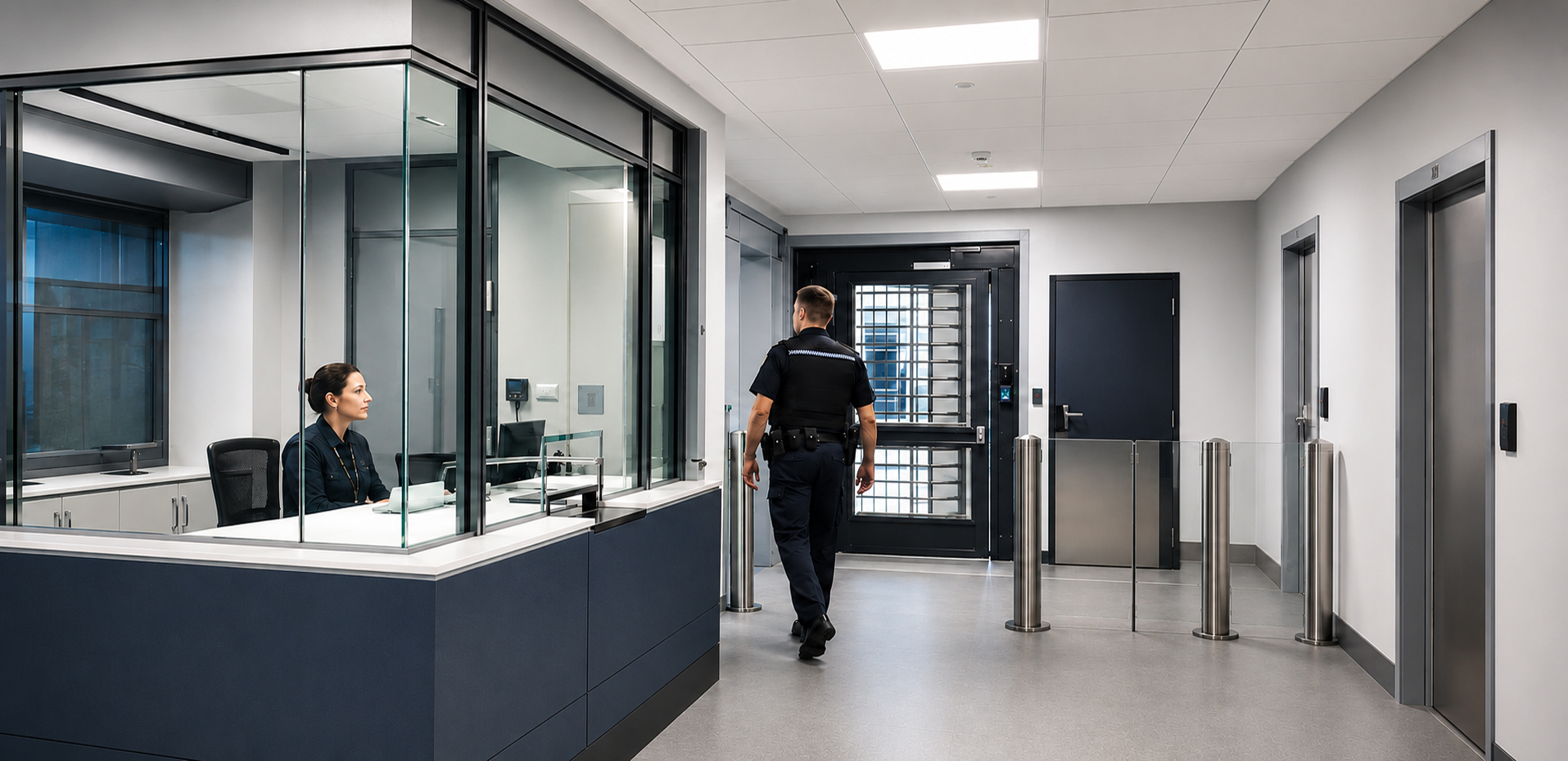
Integrating specialist physical security products such as security doors, partition walling, secure counters, screens, transfer units and entrance control products can help define where public access ends and where controlled access begins.
Supporting Staff Safety at Interaction Points
Staff working in police and custodial environments may interact with members of the public, visitors, contractors and service users throughout the day. These interactions often take place at counters, reception points, enquiry desks or secure transaction areas.
In these locations, staff safety needs to be considered alongside communication, accessibility and service delivery. Secure screens and security counters can help provide a protected working position while still allowing staff to speak with visitors, handle enquiries and carry out essential tasks.
The design of these areas should support the way staff work, rather than creating unnecessary barriers to communication or operational efficiency. Visibility, layout, counter height, pass-through requirements and staff movement should all be considered as part of the wider design.
Need advice on secure screens or doors for a specific site?
Our team can talk through resistance ratings, layout and compliance for your police, prison or custodial project.
Secure Screens, Counters and Transfer Points
For front desks and public enquiry windows, combining secure screens with matching security counters creates a fortified, continuous barrier.
Secure screens and counters are often used where there is regular interaction between staff and the public. In police stations and custodial environments, they may be relevant for front offices, reception desks, public enquiry points, visitor-facing counters and secure administration areas.
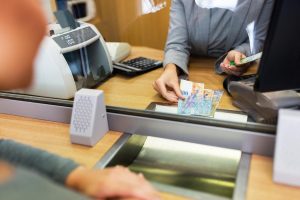
A secure screen creates a physical barrier while maintaining visibility and communication. Security counters can provide a more protected working area and can be designed to work alongside screens, transfer units and surrounding building layouts.
Transfer units also play an important role where documents, property, evidence, cash or personal items need to be passed between secure and non-secure areas. They may be used at reception counters, property handover points, evidence transfer areas, secure counter openings and staff-to-public interfaces.
Security Doors and Controlled Movement
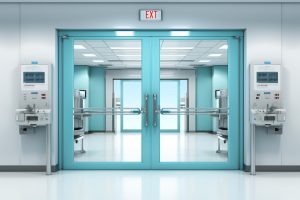
Doors are one of the most important physical security features in a controlled building. In police and custodial environments, security doors help separate public, staff-only and restricted areas while supporting the safe movement of authorised personnel.
They may be required for restricted corridors, staff-only entrances, secure rooms, interview room routes, back-of-house areas, storage areas and plant rooms. Depending on the environment, doors may also need to support access control, physical resistance, emergency escape and integration with wider building systems.
Security doors do more than close off a space. They help shape how people move through a building, where access is permitted and where additional protection is required.
Entrance Control and Automatic Doors
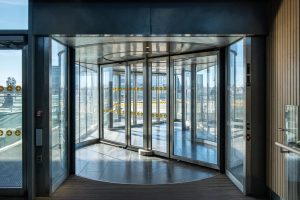
Entrance control products can help manage movement into, through and around a building. In police and custodial environments, they may support staff entrances, restricted access points, internal transition areas and controlled routes.
When combined with access control systems, entrance control products can help ensure that only authorised people move through specific areas. For larger or busier sites, controlled access points can also support operational efficiency by helping manage flow and provide clearer separation between different user groups.
Automatic doors can support safe and efficient movement through public entrances, staff access points, internal routes and high-traffic areas. In police stations and custodial suites, implementing automated speed gates, security turnstiles, and interlocking door systems form a part of wider accessibility, refurbishment or maintenance planning.
Refurbishment and Existing Buildings in Blue Light Estates
Many UK police and custodial construction projects involve existing buildings rather than entirely new facilities. This can create additional challenges around structure, layout, live operations, phasing and legacy products.
A front office refurbishment, counter upgrade or door replacement may need to be completed while the building remains operational. Existing walls, openings, floor levels, counter structures and access routes may also affect which products can be installed and how the work is delivered.
Early involvement from physical security specialists like Safetell can help project teams understand where existing products may need to be replaced, upgraded or integrated with new systems.
Where Safetell Products Fit
Safetell works with project teams across high-risk public sector and commercial environments, supporting the specification, supply and installation of physical security products.
These products can support front offices, reception areas, public enquiry desks, custody-related spaces, restricted access routes, staff-only areas, secure transaction points and refurbishment projects.
Supporting Safer and More Controlled Environments
Police and custodial buildings require physical security products that support both protection and operation. The right products can help protect staff, define secure zones, manage movement and support controlled interaction between public, staff-only and restricted areas.
As buildings are refurbished, upgraded or newly developed, physical security should be considered as part of the wider environment rather than treated as an isolated requirement.
If you are involved in a police, prison, remand or wider custodial project, Safetell can support early-stage discussions around relevant physical security products.
Planning a Police, Prison or Custodial Security Project?
Safetell supports specification through to installation of secure screens, doors, transfer units and entrance control for custodial environments.
FAQs
What physical security products are used in police and custodial buildings?
Common physical security products include secure screens, security counters, security doors, transfer units, entrance control products and automatic doors. These can support reception areas, public enquiry desks, custody-related spaces, staff-only routes, secure transaction points and restricted access areas.
Why is physical security important in police stations, prisons and remand centres?
Physical security helps protect staff, control access, manage movement and separate public areas from restricted spaces. In police and custodial environments, it also supports day-to-day operations by helping buildings function safely, securely and efficiently.
How do secure screens and counters help protect front-line staff?
Secure screens and counters create a physical barrier between staff and visitors while still allowing communication and service delivery. They are commonly used in reception areas, front counters, public enquiry desks and secure administration points where staff regularly interact with members of the public.
Where are security doors typically required in custodial and police buildings?
Security doors may be required for staff-only entrances, restricted corridors, secure rooms, interview routes, custody-related spaces, storage areas, plant rooms and back-of-house areas. They help define where public access ends and where controlled access begins.
How does entrance control support secure movement through a building?
Entrance control products help manage who can move into, through and around a building. When integrated with access control systems, they can help restrict movement to authorised personnel and support clearer separation between public, staff-only and restricted areas.
Can physical security products work with access control systems?
Yes, many physical security products can be designed to work alongside access control systems. Security doors, entrance control products and automatic doors can often be integrated with wider building systems to support controlled access, authorised movement and operational oversight.
What should be considered when specifying physical security for a police or custodial project?
Project teams should consider the building layout, user movement, staff safety, public access, restricted areas, transfer requirements, access control, emergency escape, existing structures and the level of protection required. Early specification helps ensure the selected products support both security and day-to-day operation.
Can secure screens, counters and doors be installed in existing buildings?
Yes, physical security products can often be installed as part of refurbishment, upgrade or replacement projects. Existing openings, walls, floor levels, counter structures, access routes and live operational requirements should be reviewed early so the right installation approach can be planned.
Do police and custodial buildings need different levels of physical protection?
Yes, the level of physical protection required will depend on the risk, location, use of the area and operational requirements. Some areas may need basic controlled access, while others may require higher levels of resistance against manual attack, ballistic threat, blast, fire or forced entry.
When should Safetell be involved in a police, prison or remand project?
Safetell can support project teams during early-stage discussions, refurbishment planning, specification and installation. Early involvement can help identify relevant products, avoid design conflicts and ensure physical security measures are considered as part of the wider building environment.